
Bass Pro Shops Trophy Hunter 2007


Platform: Microsoft Xbox
Game Type: Released
Max Players: 1
Genre: Sports
Developers: Jarhead Games
Publishers: Vivendi Universal Games
ESRB: T - Teen
Bass Pro Shops Trophy Hunter 2007 Game Overview
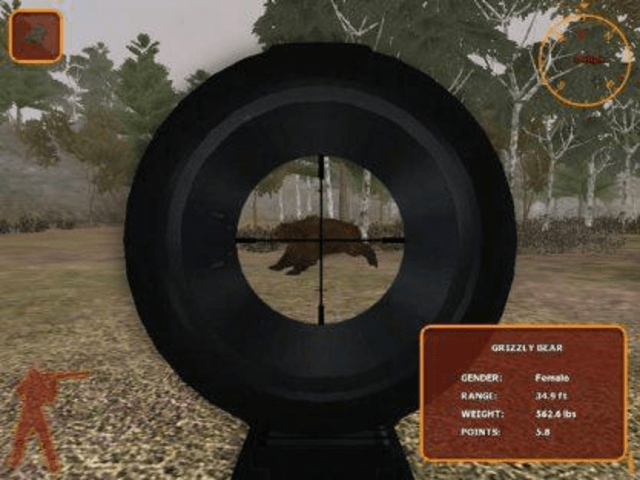
Bass Pro Shops: Trophy Hunter 2007 establishes itself as the definitive hunting simulation for the original Xbox platform, delivering unmatched authenticity through meticulously crafted environments spanning twelve diverse North American territories from the Appalachian forests to Rocky Mountain peaks. Players embark on an immersive career journey from novice hunter to respected conservationist, facing sophisticated wildlife AI that simulates realistic animal behaviour patterns including feeding cycles, territorial responses, and sensory awareness systems unique to each of the twenty huntable species. The revolutionary tracking mechanics require players to identify and follow subtle environmental clues while mastering stealth approaches that account for scent control, noise discipline, and visual concealment. Beyond hunting prowess, the game explores conservation themes through habitat management activities, wildlife population surveys, and ethical harvest decisions that impact ecosystem health. The competitive tournament circuit features twenty five unique rival hunters across various championship formats, while the comprehensive equipment selection includes over three hundred authentically licensed products from leading outdoor manufacturers. Weather systems dramatically affect both animal behaviour and survival challenges, creating a dynamic world where success demands not only marksmanship but also wilderness navigation, camp craft skills, and deep understanding of natural systems that connect players to the rich cultural heritage and environmental stewardship traditions that define responsible hunting.
Bass Pro Shops Trophy Hunter 2007
Bass Pro Shops: Trophy Hunter 2007 delivers the most immersive and authentic hunting experience ever created for the original Xbox platform. Set across vast wilderness territories spanning North America, players embark on a journey to become the most renowned hunter in the world. The narrative begins in the rugged forests of the northern United States, where players meet their mentor, a legendary outdoorsman named Caleb Winters who has spent decades mastering the art of ethical hunting. Through his guidance, players learn the fundamental skills of tracking, animal behaviour recognition, shot placement, and conservation principles that form the foundation of responsible hunting practices. The game world features twelve meticulously crafted environments including the dense woodlands of the Appalachian Mountains, the open plains of the Midwest, the snow covered peaks of the Rocky Mountains, and the swamplands of the southern territories. Each environment presents unique challenges related to terrain, visibility, and wildlife patterns. Players start their journey with basic equipment provided by Caleb, gradually earning the trust and respect of local hunting communities through demonstrating proper technique and adherence to hunting regulations. The narrative explores themes of reverence for nature, the delicate balance of ecosystems, and the role hunters play in wildlife management and conservation efforts. As players progress through regional hunting trials, they uncover a deeper storyline involving threats to wilderness areas from unscrupulous developers and poachers, positioning the protagonist as not just a hunter but a protector of natural habitats and wildlife populations throughout North America.
Gameplay Mechanics and Hunting Systems
The sophisticated gameplay mechanics of Bass Pro Shops: Trophy Hunter 2007 create an unparalleled simulation of hunting techniques and challenges. Players must master a complex stealth system where movement speed, noise discipline, scent control, and visual camouflage determine their ability to approach wary game animals without detection. The revolutionary tracking system allows players to identify and follow animal signs including footprints, disturbed vegetation, territorial markings, and feeding evidence, with difficulty varying based on terrain type, weather conditions, and animal species. Shot placement mechanics require precise aiming with realistic ballistics that account for distance, wind conditions, bullet drop, and the anatomical vulnerabilities of different species, rewarding knowledge of animal physiology rather than simply hitting targets. The game introduces an innovative calling system where players must select appropriate calls, master cadence and volume, and time their usage according to animal behaviour patterns and seasonal variations such as mating seasons or territorial responses. Weather conditions dramatically affect gameplay through dynamic systems modelling temperature changes, precipitation, wind patterns, and barometric pressure, all influencing animal movement and behaviour in realistic ways that require adaptive hunting strategies. Equipment selection presents meaningful choices between mobility and capacity, with detailed inventory management systems for essential gear including weapons, ammunition, optics, clothing, navigation tools, and field dressing equipment. The progression system allows players to earn experience points through successful hunts, ethical choices, and conservation activities, unlocking skill improvements in tracking, shooting, animal knowledge, and wilderness survival. Between hunting expeditions, players can visit detailed Bass Pro Shops store locations featuring over three hundred authentically recreated products from real manufacturers, providing upgrades to equipment that meaningfully impact field performance and hunting capabilities across various environmental conditions and target species.
Wildlife Behaviour and Ecosystem Simulation
The groundbreaking wildlife artificial intelligence system in Bass Pro Shops: Trophy Hunter 2007 creates the most realistic animal behaviour ever depicted in a hunting simulation. Each species features unique behavioural patterns modelled on extensive research and consultation with wildlife biologists, including daily movement cycles between feeding, bedding, and watering areas that change seasonally and respond to environmental pressures. Animal awareness systems simulate realistic sensory capabilities with species specific variations in visual acuity, scent detection range, and hearing sensitivity, creating different challenge levels when stalking various game animals. The dynamic herd structure for species like deer and elk includes realistic social hierarchies where dominant animals influence group movement and behaviour, while solitary predators like bears and mountain lions exhibit territorial patterns and hunting strategies of their own. Weather events trigger authentic behavioural responses such as animals seeking shelter during storms, increasing feeding activity before pressure changes, or altering movement patterns during extreme temperature conditions. The ecosystem simulation includes interdependent relationships between predator and prey species, with population dynamics that respond to hunting pressure and environmental factors, creating a living world that evolves throughout career mode progression. Animal learning mechanics cause wildlife to become more cautious in heavily hunted areas, requiring players to vary their approaches and locations rather than exploiting the same tactics repeatedly. The game features twenty different huntable species with anatomically correct models and animations captured from actual wildlife footage, ensuring authentic representation of movement patterns, feeding behaviours, and reactions to threats. Trophy scoring systems accurately reflect real world methods used by organizations like Boone and Crockett Club, with antler development, body size, and other species specific characteristics varying based on genetics, nutrition, and age factors within the simulated ecosystem, creating a truly dynamic wildlife population where exceptional trophies are rare achievements requiring knowledge, skill, and persistence to locate and harvest ethically.
The Professional Hunting Competition Circuit
The competitive element of Bass Pro Shops: Trophy Hunter 2007 introduces players to the professional hunting tournament world, a sophisticated circuit that tests various hunting skills across different formats and environments. The career structure features a progression from local qualifying events through regional championships to the prestigious annual North American Hunting Classic, with tournament rules varying from traditional trophy scoring to skills competitions focused on tracking accuracy, shooting precision, or calling effectiveness. Players encounter twenty five unique competitor characters throughout the tournament circuit, each with distinct hunting philosophies, preferred methods, and regional specialties that create rivalries and potential mentorship opportunities as relationships develop over multiple seasons. The reputation system tracks sportsmanship, ethical choices, and competitive success, influencing how other hunters interact with the player and determining opportunities for participation in invitation only special events reserved for those who demonstrate exceptional skill and character. Tournament venues feature realistic gatherings at hunting clubs, outdoor exhibitions, and conservation fundraisers where players can interact with industry professionals, gain insider knowledge about prime hunting locations, and form alliances with fellow competitors that provide strategic advantages in future events. Media coverage increases with player success, bringing opportunities for equipment sponsorships, hunting television appearances, and conservation advocacy platforms that extend influence beyond competition results. The judging system incorporates expertise from various wildlife authorities with different emphasis on trophy quality, shot placement, tracking difficulty, and hunting method authenticity, requiring players to adapt their approach based on known preferences of evaluators at specific events. Special challenge tournaments appear seasonally, testing specialized skills like traditional archery, primitive weapons proficiency, or hunting without modern technological advantages, creating opportunities for players to demonstrate versatility and knowledge of hunting heritage practices. Success in competition opens access to exclusive hunting territories, rare permit opportunities, and specialized equipment prototypes not available through conventional progression, while establishing the player as an influential voice in hunting policy discussions that affect wildlife management regulations within the game world.
Conservation Themes and Environmental Stewardship
Bass Pro Shops: Trophy Hunter 2007 prominently features conservation narratives that educate players about the crucial role ethical hunters play in wildlife management and habitat preservation. Throughout the career mode, players participate in conservation initiatives including habitat restoration projects, wildlife population surveys, and public education programs that earn reputation points with environmental organizations and unlock special hunting opportunities on managed conservation lands. The storyline introduces environmental challenges facing different regions, from urban development encroachment on wildlife corridors to invasive species disrupting native ecosystems, positioning hunters as knowledgeable advocates for balanced solutions that consider both human needs and wildlife sustainability. The detailed license and regulation system accurately reflects real world wildlife management practices, requiring players to obtain appropriate permits, adhere to bag limits, observe seasonal restrictions, and respect protected species designations, with serious consequences for violations that can permanently affect career progression. Players encounter characters representing various perspectives on land use and conservation policy, from traditional preservationists to sustainable use advocates, offering nuanced discussion of complex environmental issues without presenting simplistic solutions. The habitat management simulator allows players to implement food plot development, forest succession management, and wetland conservation techniques on designated properties, demonstrating how targeted interventions can improve wildlife health while maintaining natural balance. Special missions focus on managing nuisance species or controlling overpopulated game animals that threaten ecosystem stability, educating players about the scientific principles behind hunting as a wildlife management tool. Equipment selection includes options for purchasing conservation stamps and specialized gear where proceeds support habitat protection organizations, creating awareness about funding mechanisms for real world wildlife programs. The trophy lodge feature allows players to commemorate successful hunts through educational displays that include information about species biology, conservation status, and ecological importance rather than merely celebrating harvests, reinforcing the connection between hunting heritage and environmental responsibility. Through these sophisticated narrative elements, the game advances understanding of the North American Conservation Model where sportsmen serve as primary advocates and financial supporters of wildlife protection, creating a virtual experience that enhances appreciation for natural resources while promoting responsible engagement with wilderness areas.
Wilderness Survival and Woodsmanship Skills
Beyond hunting mechanics, Bass Pro Shops: Trophy Hunter 2007 incorporates comprehensive wilderness survival elements that challenge players to develop authentic woodsmanship abilities essential for extended backcountry expeditions. The weather survival system requires appropriate clothing selection and shelter considerations during extreme conditions, with hypothermia, heat exhaustion, and exposure risks realistically modelled based on environmental conditions, physical exertion, and preparedness levels. Navigation challenges present opportunities to master traditional compass and topographic map reading alongside modern GPS technology, with certain areas deliberately positioned beyond satellite coverage to test fundamental orienteering skills and prevent overreliance on electronic aids. The injury management system simulates realistic field first aid scenarios from minor cuts and sprains to more serious emergencies requiring immediate attention and potential expedition termination, encouraging preventative safety practices and proper medical kit preparation. Firemaking mechanics incorporate authentic techniques for various weather conditions and available materials, with success rates determined by skill development and equipment quality, creating essential warmth and cooking capabilities during overnight hunts. The nutrition and hydration systems track energy levels and performance impacts from proper sustenance, requiring thoughtful meal planning for extended trips and knowledge of water purification methods when utilizing natural sources. Plant identification challenges test knowledge of edible and medicinal species alongside awareness of dangerous lookalikes, rewarding botanical study with supplemental resources during emergencies or extended wilderness stays. The terrain navigation system presents realistic obstacles including river crossings, steep ascents, dense undergrowth, and treacherous conditions that must be safely negotiated while conserving energy and preventing injury. Specialized expeditions to remote territories require comprehensive preparation and resource management, with multi day hunts necessitating camp establishment, food storage protocols to prevent wildlife conflicts, and efficient field dressing techniques to preserve harvested game. Weather forecasting skills become essential for planning safe and productive hunting trips, with barometric pressure trends and cloud pattern recognition providing advantages to observant players who develop meteorological knowledge. Through these detailed survival elements, the game creates a complete outdoor experience that acknowledges hunting as part of a broader set of wilderness traditions requiring respect for natural forces and thorough preparation for self sufficiency in remote environments where assistance remains distant and challenges must be overcome through knowledge, proper equipment, and levelheaded decision making under pressure.
Cultural Heritage and Hunting Traditions
The rich historical dimensions of hunting practices receive thoughtful exploration through narrative elements that connect players to diverse cultural traditions spanning generations of human relationship with wildlife. Throughout career mode, players encounter indigenous hunting methods through special interactions with Native American characters who share traditional approaches emphasizing spiritual connection to prey animals, waste prevention, and sustainable harvest practices developed over thousands of years of environmental stewardship. Historical hunting implements appear as collectible items and occasionally usable equipment, accompanied by educational information about their development and cultural significance from primitive atlatls and bows to early firearms, creating appreciation for technological evolution while honoring traditional skills that remain relevant in modern contexts. Regional hunting cultures receive detailed representation through location specific characters and customs, from the driven hunts of European influenced communities to the tracking traditions of mountain heritage families, showcasing how geography and available wildlife shaped distinct approaches across different populations. Storytelling elements around campfires between hunting expeditions share legendary tales of remarkable animals and notable hunters from various eras, connecting players to the oral traditions that surrounded hunting throughout human history before modern documentation methods. Ceremonial aspects of hunting receive respectful portrayal through optional practices that acknowledge the ethical weight of taking animal life, including traditional blessing rituals, proper field care protocols that minimize waste, and celebratory preparation of harvested game that honors the animals contribution to human sustenance. Mentorship themes highlight the intergenerational transfer of hunting knowledge, with older characters sharing wisdom accumulated through lifetimes of experience and the player eventually gaining opportunities to introduce young hunters to responsible practices, continuing the cycle of heritage preservation through direct transmission rather than abstract learning. Hunting camp culture comes alive through detailed social hubs where diverse characters share meals, plan strategies, maintain equipment, and build relationships that extend beyond the practical aspects of hunting into lifelong connections forged through shared wilderness experiences. Seasonal celebrations mark traditional opening days and conservation achievements with community gatherings that demonstrate how hunting practices create social bonds within rural areas where wildlife remains central to cultural identity and sustainable lifestyles. Through these thoughtful cultural elements, the game presents hunting not merely as recreation but as a complex human tradition with deep historical roots, ethical dimensions, and community building aspects that continue to provide meaningful connection to natural cycles and sustainable food systems even in modern contexts.
Legacy and Impact
The concluding narrative elements of Bass Pro Shops: Trophy Hunter 2007 explore how dedicated hunters create lasting legacies through contributions extending far beyond personal trophy collections or competition victories. As players achieve master hunter status within the game world, opportunities emerge to participate in conservation policy development through advisory positions with wildlife management agencies, allowing direct influence on habitat protection initiatives and sustainable hunting regulations that preserve opportunities for future generations. The mentorship system expands to include formal youth education programs where players can share accumulated knowledge with beginning hunters, emphasizing safety, ethics, and conservation principles while fostering new stewards of hunting traditions and natural resources. Historical perspective comes through encounters with hunting hall of fame members who share insights about how the activity has evolved and the responsibility carried by contemporary participants to reform problematic practices of previous eras while preserving valuable traditions worth continuing. Land trust development options allow successful players to dedicate financial resources toward permanent habitat protection, creating conservation easements that prevent development of critical wildlife areas and secure public access for hunting and outdoor recreation in perpetuity. Media platform opportunities expand beyond competition coverage to include educational series development, conservation documentary production, and advocacy campaigns addressing environmental challenges facing critical habitats and wildlife populations. Research participation activities connect players with scientific studies monitoring wildlife health, migration patterns, and population dynamics, demonstrating how hunter observations and field reports contribute valuable data to biological understanding and management decisions. Retirement options eventually present choices about transitioning from active hunting to conservation leadership roles including habitat restoration direction, anti poaching enforcement, wilderness protection advocacy, or youth outdoor education programming, each offering different legacy paths. The culmination of career achievements results in consideration for the Hunting Conservation Hall of Fame based on a comprehensive evaluation of hunting accomplishments, ethical reputation, habitat protection contributions, and educational influence within the hunting community. Through these sophisticated legacy systems, the game encourages players to view hunting as a responsibility bearing privilege rather than merely a recreational pursuit, promoting development of complete outdoors people who understand ecological relationships, advocate for wildlife protection, and ensure hunting traditions continue as a positive force for conservation rather than merely a consumptive activity, thus completing the narrative journey from novice to respected elder contributing to both natural resource protection and cultural heritage preservation through thoughtful engagement with wildlife and wilderness.
